Start a Project

Dwarka Mor, New Delhi
[email protected]

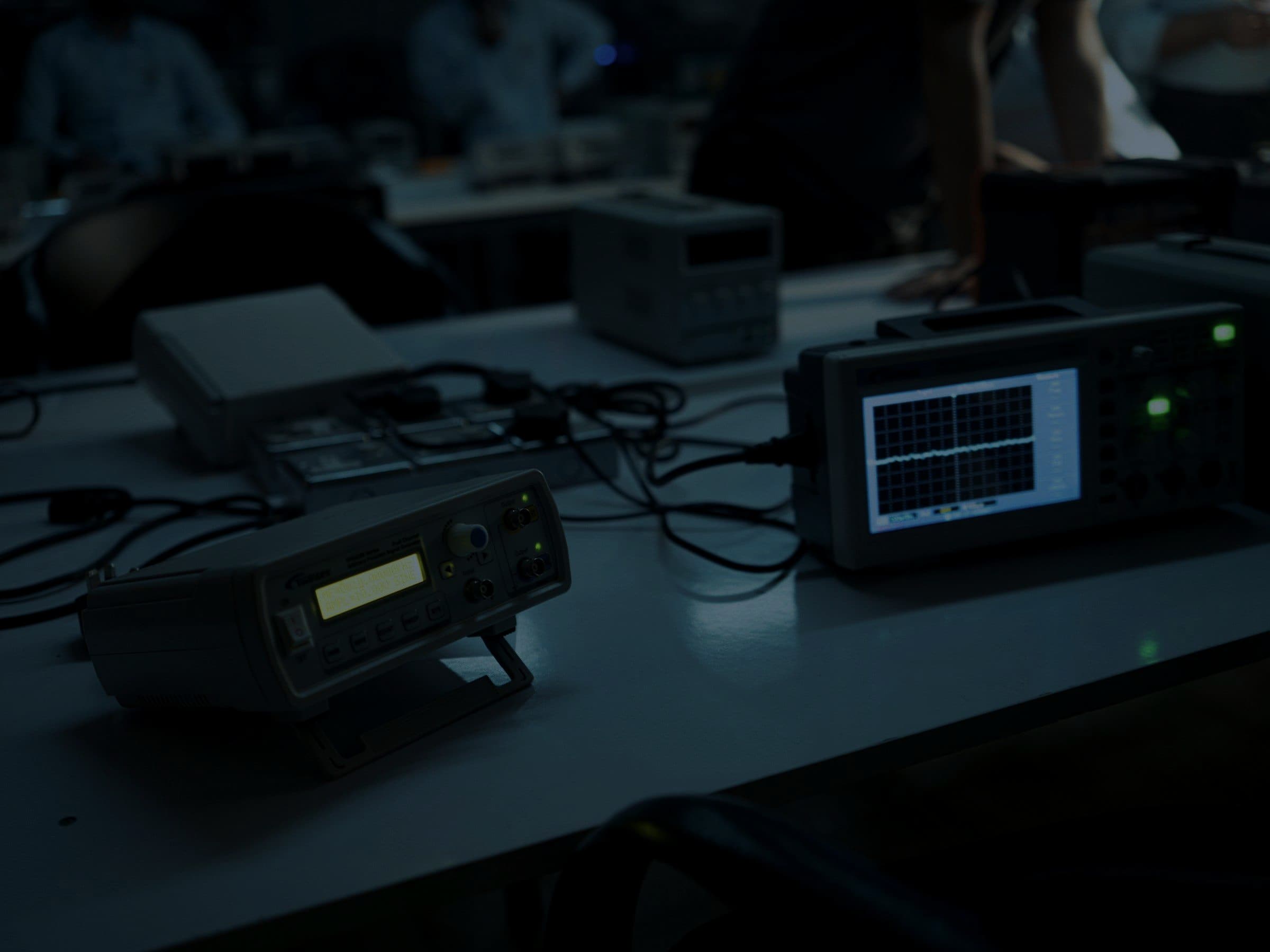
An electronics teaching lab set out with oscilloscopes and bench instruments

Home/Training & Education

Training & Education

Hands-on cybersecurity, digital forensics, AI/ML, embedded systems and GIS training in New Delhi — taught by the engineers who do the work.

Programmes

Three ways to build capability

A programme built around one team, a structured course in a single discipline, or a short intensive session. Every format is practical from the start — participants build, break and investigate real systems.

01

Professional Training

Capability-building programmes designed around a specific team — a cyber cell, a defence laboratory, an enterprise engineering group. We assess where the team is, agree where it needs to be, and build the curriculum between the two.

  • Needs assessment and a curriculum built for the team
  • Delivered on-site, at our New Delhi lab or live online
  • Practical evaluation against agreed outcomes

For government, defence and enterprise teams

02

Technical Courses

Structured courses in our core disciplines, taught by practising engineers on real equipment, real datasets and real case material. Every course ends in something built, not just a quiz.

  • Lab-based modules with graded practical work
  • Taught by engineers from live programmes
  • A capstone project to close every course

For engineers, graduates and career-changers

03

Workshops & Bootcamps

Short, intensive formats — from a one-day workshop on a single tool or technique to a multi-day bootcamp that takes a cohort from fundamentals to a working build.

  • One-day workshops through to multi-day bootcamps
  • Run for institutions, campuses and technical events
  • Hands-on from the first hour

For cohorts, campuses and conferences

Subject Tracks

Four disciplines, taught from live work

Each track can run as a professional programme, a technical course or a workshop. Modules are selected and sequenced to match the people in the room.

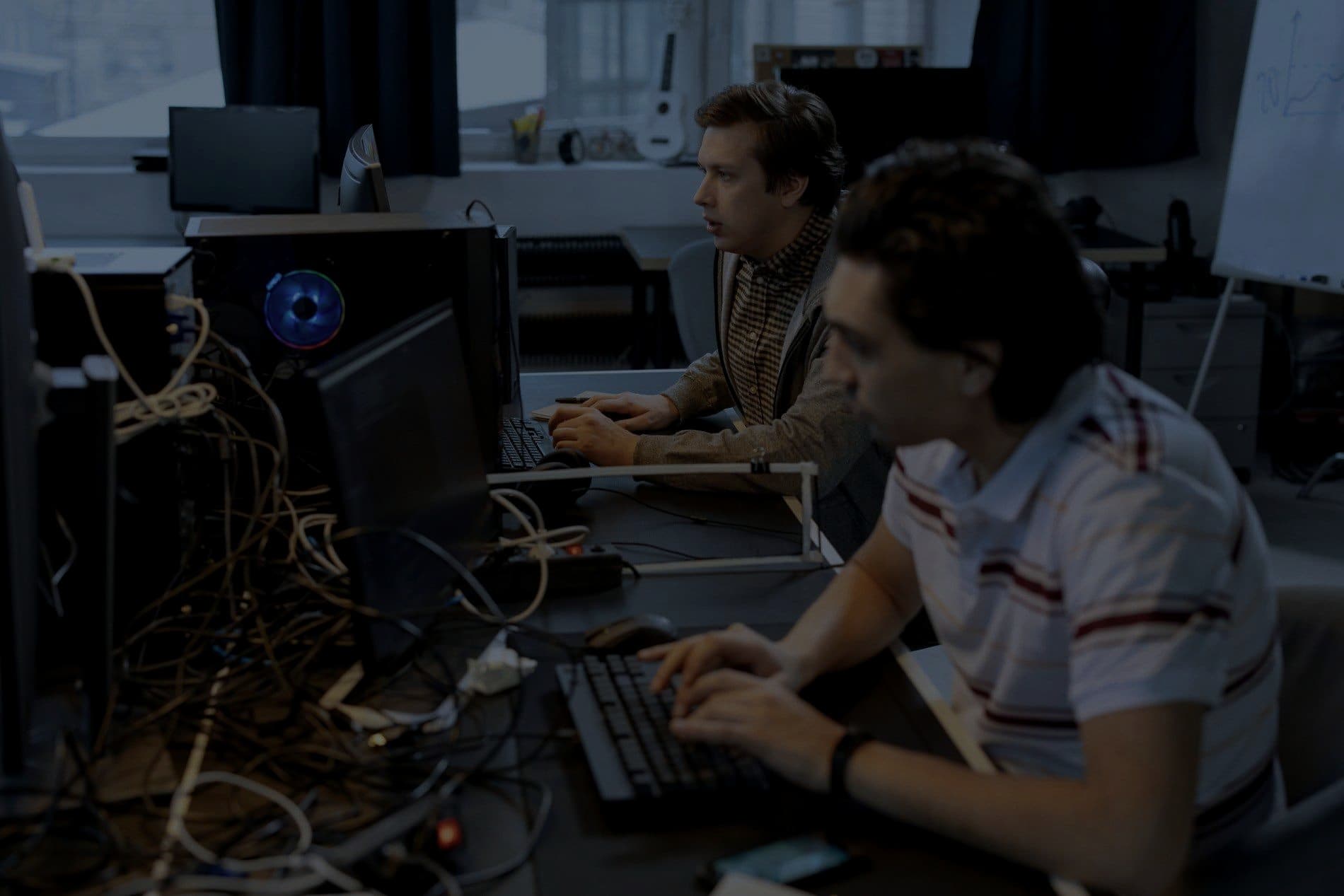
People working at computers in a technical lab

01

Cybersecurity & Forensics

Taught by the team that carries out authorised assessments and forensic examinations — so the labs reflect how attacks and investigations actually unfold.

Ethical HackingVAPTIncident ResponseDigital ForensicsOSINT

Course modules

  • Network, web and cloud penetration testing in isolated lab ranges
  • Incident response, log analysis and threat hunting
  • Disk, memory and mobile forensic acquisition and analysis
  • Evidence handling, chain of custody and forensic reporting
  • Open-source intelligence and cybercrime investigation techniques

Who it is for

Law-enforcement cyber cells, forensic laboratories, SOC analysts and IT security teams.

Engineers working together at computer workstations

02

AI/ML & Data

From raw data to a deployed model — with the emphasis on the engineering that makes models work outside a notebook.

PythonMachine LearningComputer VisionLLMsMLOps

Course modules

  • Python, statistics and data wrangling for engineers
  • Classical machine learning and deep-learning fundamentals
  • Computer vision — detection, segmentation and tracking
  • Applied LLMs — retrieval, extraction and evaluation
  • Data pipelines, model deployment and monitoring

Who it is for

Software engineers, analysts, researchers and technical teams adopting AI.

Soldering components onto a circuit board

03

Embedded & Electronics

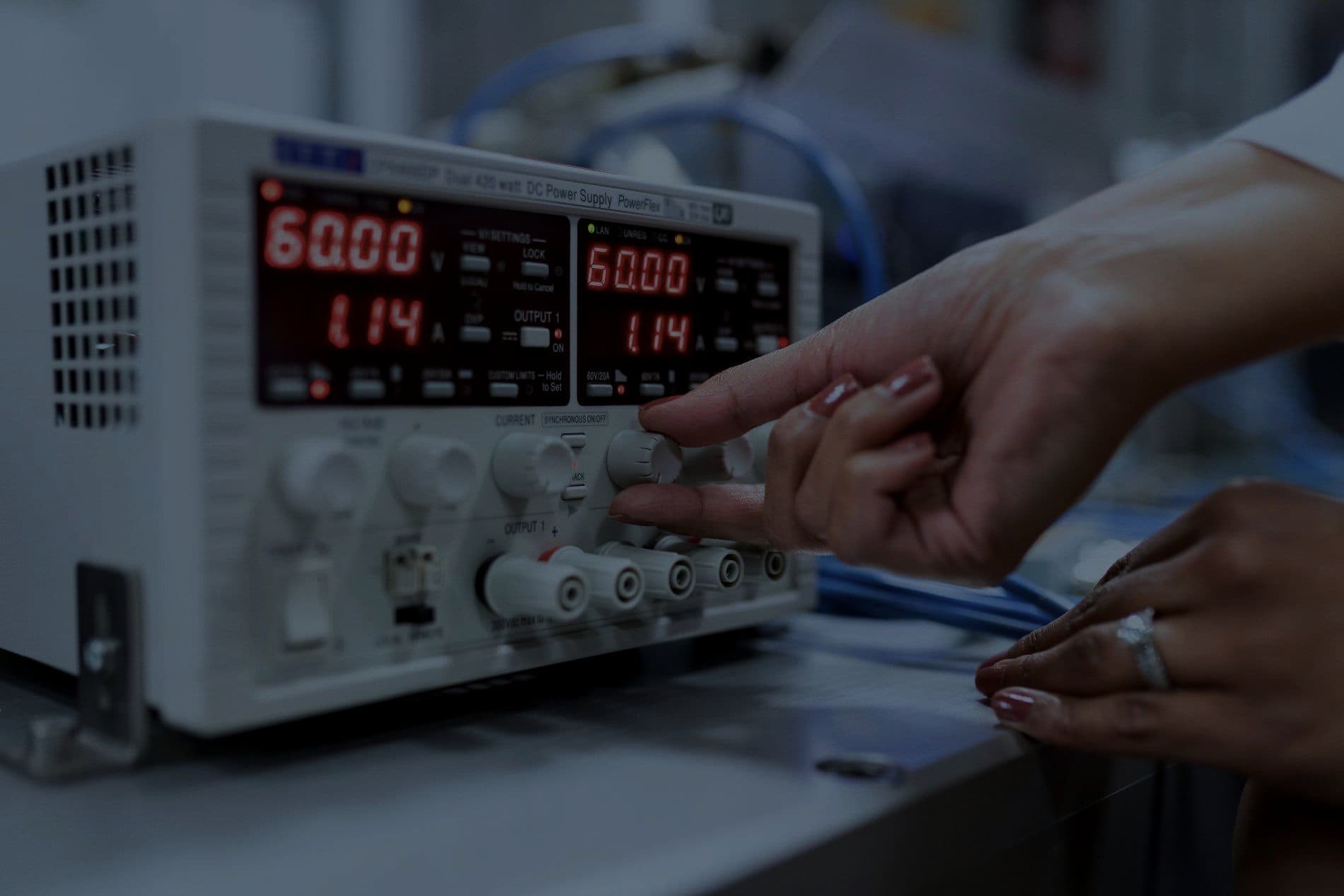
Scopes, boards and soldering irons on the bench — the fundamentals of firmware and hardware, learned by bringing real devices up.

MicrocontrollersRTOSIoTPCB DesignDebugging

Course modules

  • Microcontroller programming in C — peripherals, interrupts and timing
  • RTOS concepts and embedded Linux fundamentals
  • IoT connectivity — MQTT, BLE, LoRa and cloud integration
  • Schematic capture and PCB layout, from first sketch to fabrication files
  • Debugging with oscilloscopes, logic analysers and JTAG

Who it is for

Electronics graduates, firmware engineers and hardware teams moving into connected products.

Hands holding a drone remote controller

04

GIS & Geospatial

Working with satellite, drone and survey data using the same open toolchain we run on national-scale projects.

QGISRemote SensingPhotogrammetrySpatial AnalysisWebGIS

Course modules

  • GIS fundamentals, projections and spatial data management
  • Satellite image processing — optical, multispectral and SAR
  • Drone photogrammetry, orthomosaics and elevation models
  • Spatial analysis and machine learning on geospatial data
  • Publishing maps and dashboards with WebGIS

Who it is for

Planners, surveyors, environmental and agricultural teams, and government mapping departments.

Who We Train

Programmes for the people doing the work

01

Government & Law Enforcement

Cyber cells, forensic laboratories and investigation units building in-house technical capability.

02

Defence & Armed Forces

Technical branches and laboratories that need depth in secure systems, electronics and geospatial work.

03

Enterprises & Industry

Engineering and IT teams adopting AI, hardening their security or moving into connected products.

04

Universities & Students

Faculty development, campus workshops and industry-ready skills for engineering students.

How It Works

From first conversation to follow-up

Outcomes are agreed before anything is taught, and participants are evaluated on what they can do at the end — not on attendance.

01

Needs Assessment

A conversation with your leads, and a skills baseline for the people being trained.

02

Curriculum Design

Modules, lab exercises and outcomes agreed in writing before anything is taught.

03

Delivery

Instructor-led sessions on-site, at our lab or online, with hands-on work throughout.

04

Practical Evaluation

Participants are assessed on what they can do, against the outcomes agreed at the start.

05

Follow-Up

A written programme report, course material to keep and a route to further support.

Streaks of blue light across a dark background

Plan a Programme

Tell us who needs to learn what.

Send the team size, the starting level and the outcome you need. We will come back with a proposed curriculum and format.